
Direct Bookings
The Independent Operator's Guide to Direct Bookings
Independent hospitality operators face a recurring choice: rely on online travel agencies for volume, or invest in direct bookings. For properties with one to fifteen units, the economics and control that come from direct bookings often make the difference between a sustainable business and one that leaks margin to third-party fees. This guide outlines why direct bookings matter, how to reduce OTA dependency, and how to own the guest relationship with a booking flow that converts.
Why Direct Bookings Matter
Direct bookings mean the guest reserves and pays you without an intermediary. You keep the full margin (minus payment processing), you own the guest data, and you control the experience from first touch to checkout. For small portfolios, that control translates into repeat guests, clearer forecasting, and the ability to respond quickly to market or seasonal changes.
OTA commissions typically range from 15% to 25% or more. On a week-long stay, that can represent a substantial share of revenue. Shifting even a portion of bookings direct improves unit economics and gives you more room to invest in the property or in marketing that builds your brand.
Shifting even a portion of bookings direct improves unit economics and gives you more room to invest in the property or in marketing that builds your brand.
Reducing OTA Dependency
OTAs are useful for discovery and for filling gaps, but they should not be the only channel. The goal is a balanced mix: use listing sites for visibility and new guests, while building a direct channel that grows over time.
- Keep your direct booking page easy to find from your website and social channels.
- Capture email at or before checkout so you can reach guests again.
- Offer a small incentive (e.g. best rate, or a simple perk) for booking direct.
- Sync your calendar across channels so you never double-book and availability is accurate everywhere.
15–25%
Typical OTA commission range. Direct bookings keep this margin in your business.
Owning the Guest Relationship
When a guest books through an OTA, the platform often owns the primary communication and data. When they book direct, you own the relationship. You can tailor the pre-arrival experience, send check-in details and local tips in your voice, and follow up after the stay. That relationship drives repeat bookings and referrals.
Use a single inbox or messaging system tied to each reservation so nothing gets lost. Clear, timely communication builds trust and reduces support load.
Building a High-Converting Booking Flow
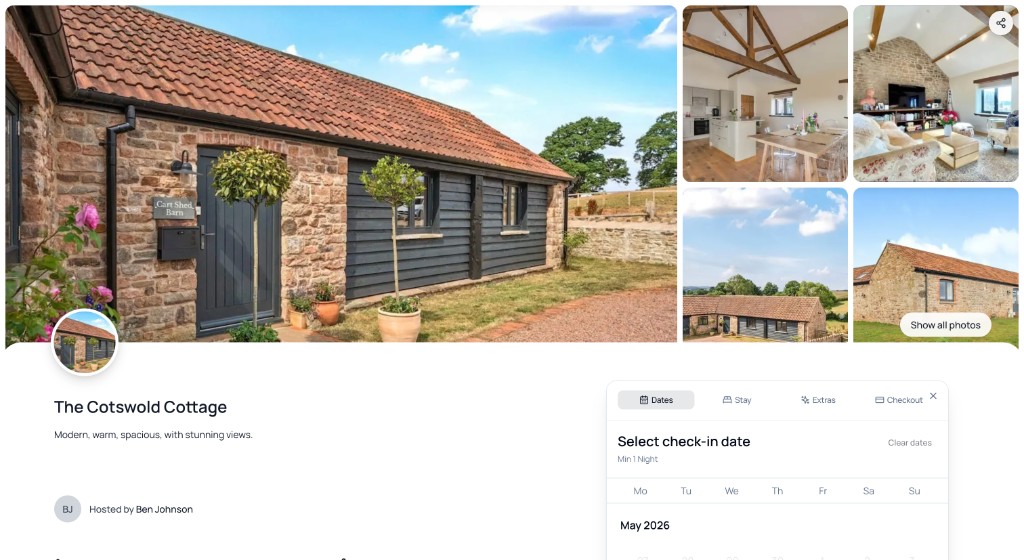
A direct booking flow should be simple and trustworthy. Fewer steps, clear pricing, and a visible cancellation policy reduce abandonment. Show your best photos and a concise description; avoid long forms or surprise fees.
Mobile matters: many guests browse and book on a phone. Ensure your booking page is fast and readable on small screens, with prominent calls to action and a secure payment step.
Direct bookings are not an all-or-nothing switch. Start by making your booking page visible and easy to use, capture guest data, and sync your calendar. Over time, a growing direct channel will improve margins and put you in control of your occupancy and your guest relationships.